Why I Built Harness Your Business™
Early versions of these simple tools and ideas changed my life. Still, for decades I've watched organizations big and small struggle with the same problems:
They know process matters.
They know training matters.
They know documentation matters.
Yet critical know-how remains trapped in people's heads, and businesses continue relying on heroics instead of systems.

The Pattern I Keep Seeing
Whether 5 employees or 150, the symptoms are remarkably similar:
Key-person dependency over process dependency
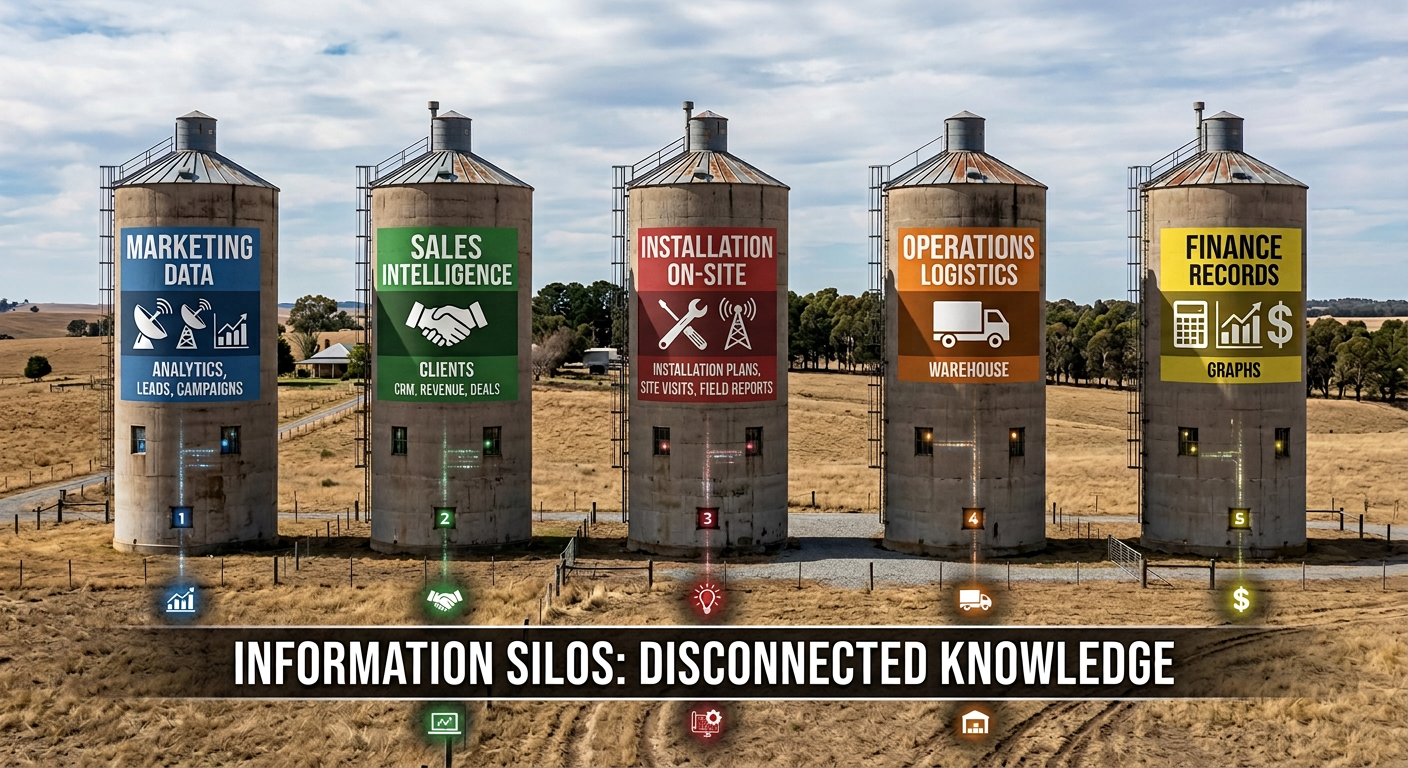
Hoarded know-how breeds knowledge silos
Inconsistent execution & quality
Difficulty onboarding & training
Reactionary firefighting, not proactive fire suppression
Lack of ownership and accountability
↓
Most organizations don't need more software.
Most needed a practical way to manage and improve their operational capabilities.
The Origin
This system wasn't born overnight.
It is the result of decades of experience using, modifying, refining, and combining proven tools I was gifted in the 1990s—into a timeless process administration system for small and mid-sized organizations.
What Makes This Different
Documents (SOPs) are not Systems
Most organizations ask:
"How should we document our core processes?"
↓
Harness Your Business™ asks:
"How should we administer a system to manage processes, and weave it into our DNA?”
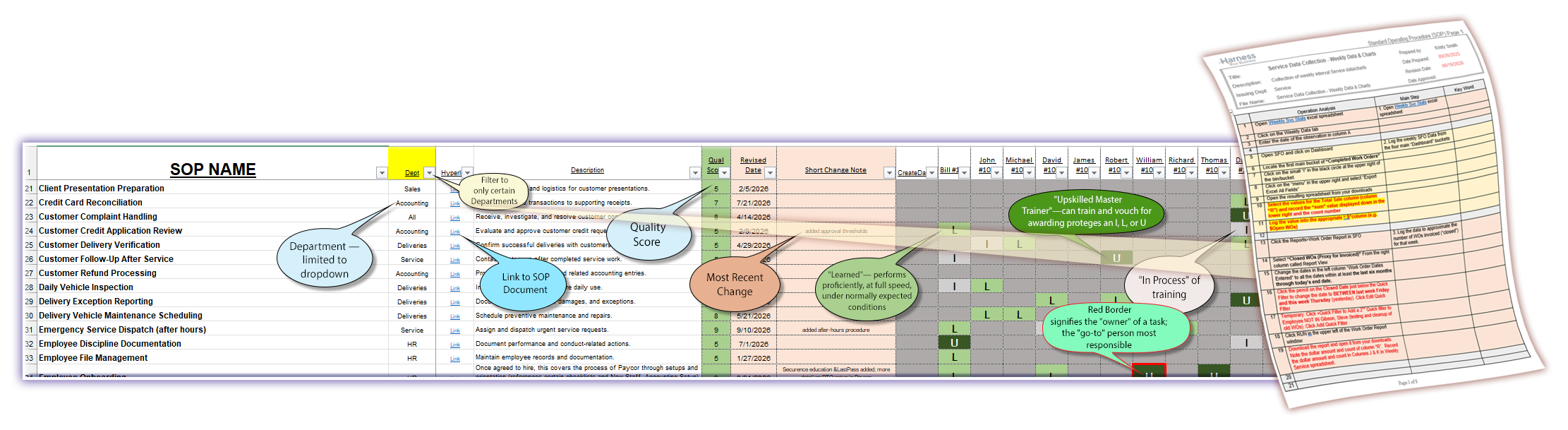
The Harness system elegantly answer key questions—all at a glance:
What organizational capability does this procedure represent?
Who owns it?
Who can perform it?
What is its current state?
When was it last reviewed?
Think of it as a Register of Operational Capability. Each SOP (row) represents an operational capability. ↓
"Delivery Vehicle Maintenance Scheduling" isn't a just an SOP document. It is a measurable element of organizational capability. ↓
That’s workforce intelligence.
Most job descriptions say:
Responsible for payroll.
Our system says:
Responsible for these specific payroll SOPs, and review thereof.
The power is that everything exists in one place. Simple and elegant.


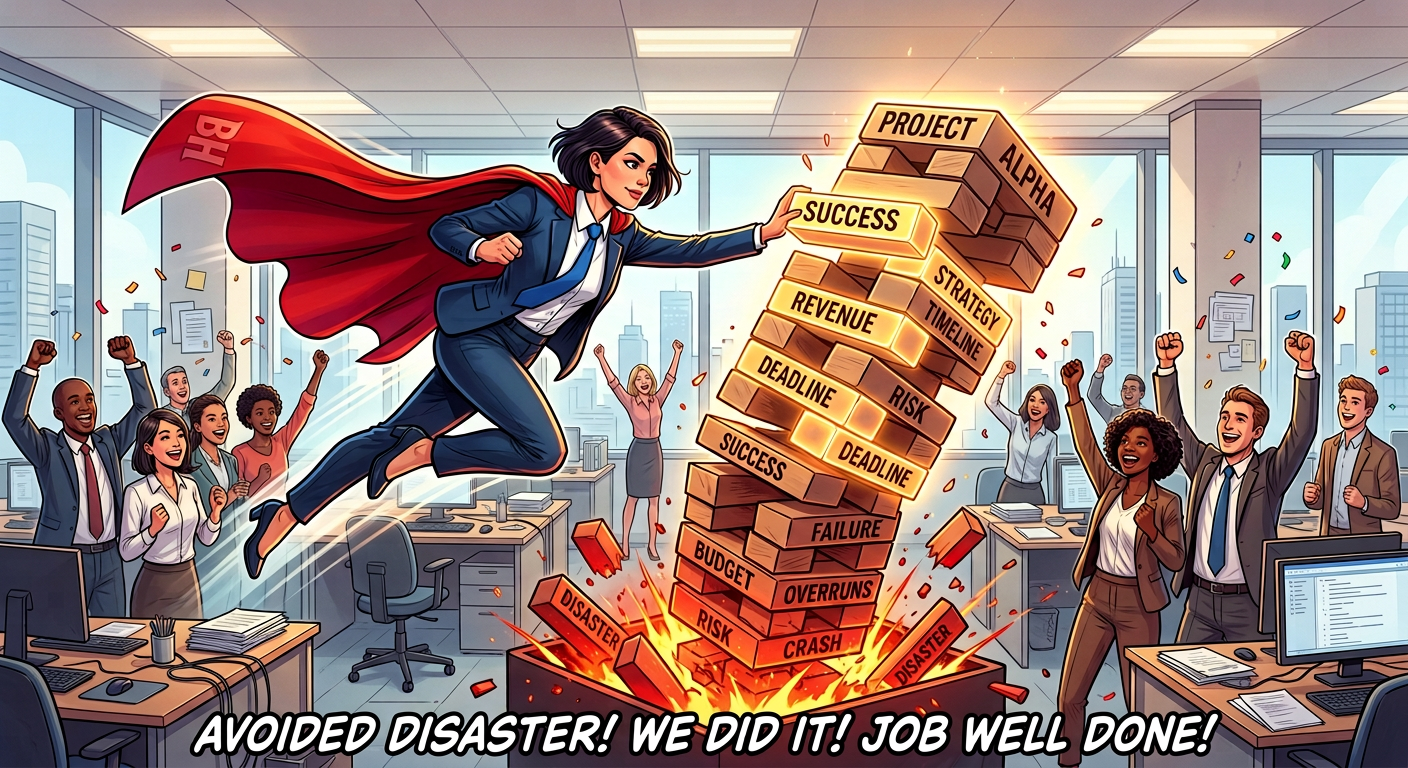
Hero Culture vs. Process Culture
Hero Culture:
Experts save the day
Tribal knowledge wins
Firefighting earns status
Success depends on individual effort
Process Culture:
Knowledge is shared
Training is easier
Variation is reduced & quality increased
Improvement is systematic
The organization becomes stronger and more resilient


Why I’m Passionate About This Work
This is the system I've used and improved consistently for decades—completely rebuilt, enhanced, and packaged for the many small organizations that are constantly told they need to document their core processes, but simply don't know where to start.
More importantly, most organizations aren't struggling because they lack documented processes. They're struggling because their processes aren't part of a system.
Individual SOPs may describe how work gets done. A management system helps an organization know what processes exist, who owns them, whether they're current, and how they're performing.
That's the gap Harness Your Business™ was designed to fill.
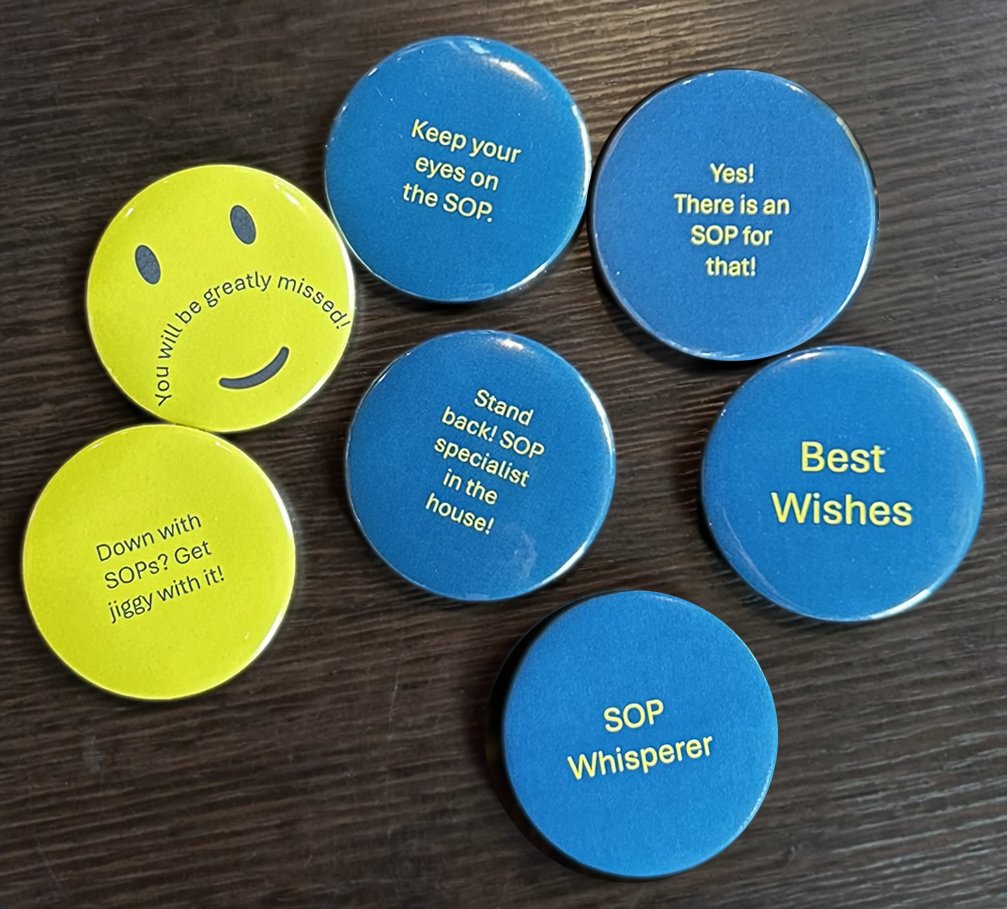
A few of the buttons worn by staff at a recent going away party, after Steve’s planned departure from a four-year implementation—to share the tools more broadly again.